Comment

Day 32 - Portland, OR - I'm voting for Clanders

I won't make a habit of writing about politics in this space; usually it's kind of boring and besides, I'd rather unite people behind things like the outdoors.  Please know that no matter what your political inclination, I'm happy that you're here, reading what I write, and you're always welcome.  But today was the Iowa primary, and something interesting happened, at least on the democratic side - almost a dead tie.  A lot of people have interpreted that in various ways; as a victory for Sanders, as a victory for Clinton, as a victory for Republicans, etc.  But when I read those results, the first thing I thought of, honestly, was this: people don't really care who wins the democratic primary.  And I mean that in the best possible way.  They're voting for Clanders.  They're voting for the democrats.  At least, that's how I, personally, feel.  I have some opinions and ideas about who can/should/might win between the two of them.  If you held a gun to my head, I'd probably vote for Sanders.  But I really wouldn't mind at all if Clinton won (sorry, Bernie).  There's a lot of pluses to both.  And, mostly, I just really - really, really - really, really, really - can't stomach any of the leading Republicans.  Honestly, they don't even seem like Republicans, to me.  They seem like bullies.  And I really - really, really - really, really, really - don't like bullies.

So, yeah, we got a lot of this crap to come, and there's more interesting stuff to talk about, but I just wanted to put it out there that to me, who really won today is civil discourse.  My favorite part was Clinton's remarks that she "welcomes the debate".  

That's the best campaign line I've heard yet.

Comment

Comment

Day 31 - Portland, OR - Leap of Faith

Today I got to take the back half of the two-day lead climbing class at Planet Granite, with the talented Viviane (thanks for being flexible about the scheduling, PG!).  It was incredibly fun.  In particular, one of the prominent training aspects of lead climbing* we covered today was taking falls.  Obviously, when climbing, you're occasionally going to fall, and it's important to learn to fall in a controlled setting so that when it happens for real, you're ready for it.  I've done a few things like this, such as bungee jumping, so I was feeling good about my chances here.  I've also done fairly extensive climbing on auto-belays, which are a device which takes the place of a human belayer; and when you get to the top on an auto-belay, you basically just have to take a leap of faith.  The same was true today; she would bark out that we needed to square ourselves to the wall, take a breath in, then - jump.  Or at least slide off the holds.  We fell about 10-15 feet, which may not seem like much, but it definitely takes the breath away, which is why you exhale on the way down.p

What I learned: falling, and taking leaps of faith, is incredibly good for the soul.

On a related note, if anyone in the Portland area is available to help me take my lead climbing test, let me know!  I'll need help with that over the coming week or so!

*PS If you're curious about lead climbing, see my post about 2 weeks ago about the first part of the class.

Comment

Comment

Day 30 - Government Camp, OR - My Mom's Everything Cookies

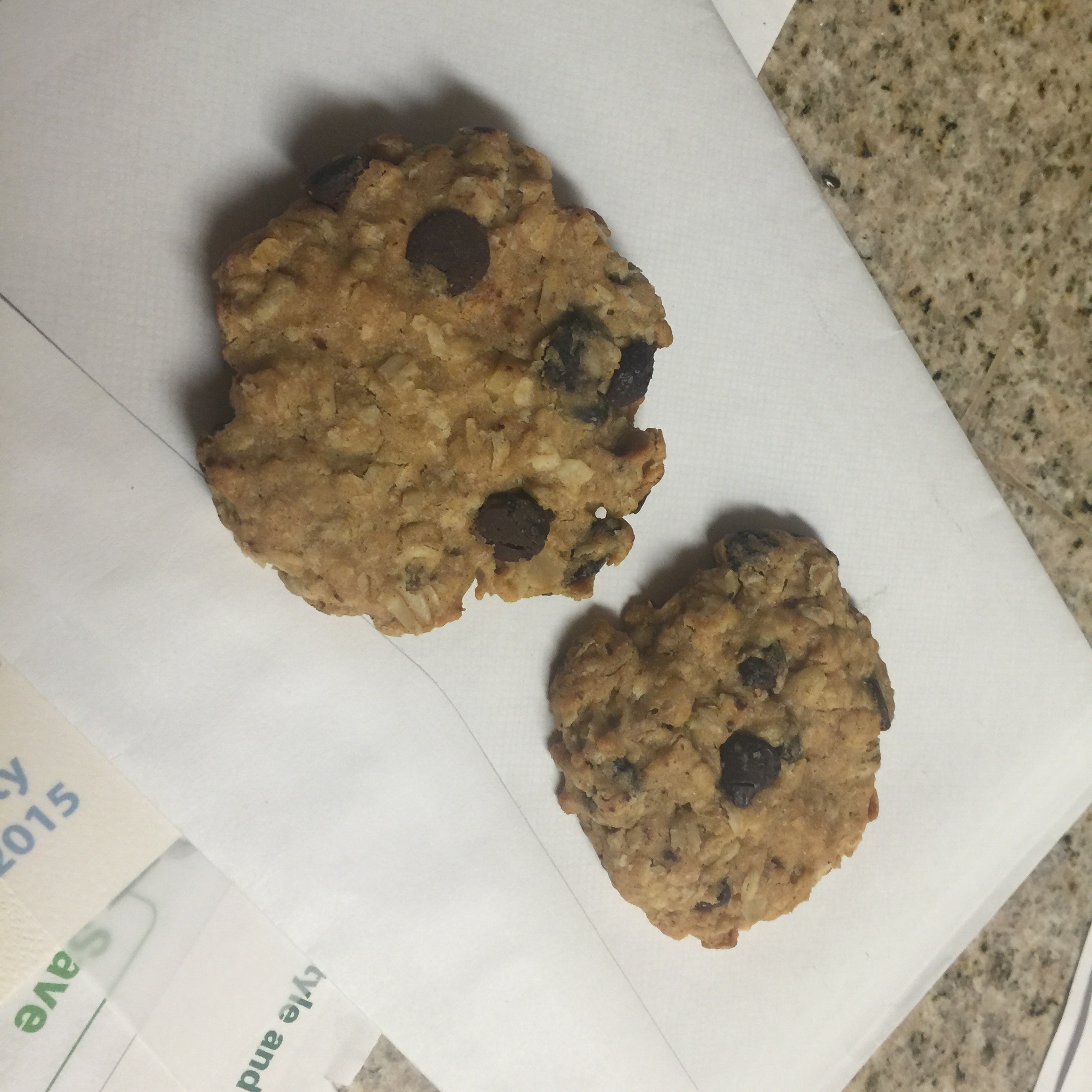
Today, a package finally arrived from my Mom in Florida with her signature everything cookies.  To understand what that means to me, living 5000 miles away from my parents, you'd have to be living in my shoes - but I think we all can relate to food from home.  And these cookies are the best cookies you will ever - ever - put in your mouth.  My mom claims they're good for you too, which is good because when I go home I eat about 100 of them.  That number may sound like an exaggeration.  My Mom has actually started having to make fewer of them because I simply eat all of them no matter how many she makes.

The recipe is provided below.  You can thank me later.  Oh, and PS: I think they actually taste best frozen.  Yes, that's right, make them, then freeze them, on purpose, in a freezer that doesn't smell stale or like some weird leftover food, and then eat them straight from the freezer.  The chocolate is so delicious that way, and it blends with the raisins and the flax seed and the oats.

Everything Cookies

Oven @ 350

1/4 c butter
1/4 c flax seed
1/2 c coconut oil
2 tbsp oil (optional)
1/2 c brown sugar
2 large eggs
1/4 c peanut or almond butter
1 tsp vanilla
1 tbsp orange juice
3/4 c flour
3/4 c whole wheat flour
1/2 c Splenda (or sugar)
1/2 tsp cinnamon
1/2 tsp salt
1 1/2 c old fashioned oats
1 1/2 c quick oats
1/2 c chopped raisins
1/2 c chopped walnuts
1 c dark chocolate chunks

mix together flour through salt.  Add to wet.  Mix & blend well.  Add oats, raisins, nuts and chocolate

Scoop onto parchment lined sheets, 1 1/2 tbsp per cookie.  Press to flatten.  Bake 9-10 minutes at 350 degrees.  Do not overbake.

image.jpg

Comment

Comment

Day 29 - Portland, OR - BCEP

Today, I'm signing up for BCEP.  What is BCEP, you ask?  I've written before about Mazamas, the mountaineering/climbing/hiking society that I belong to, and which is a good part of the reason that I moved to Portland.  Well, one of the things Mazamas does is teach classes on all of the above, and the class that they are best known for - the granddaddy of them all - is BCEP, or the Basic Climbing Education Program.  It's a 6-8 week experience that combines classroom education, in-the-field hiking and climbing experience, and an overnight backpacking trip.  It's not necessarily cheap - I believe it's $379 for members - but from what I've heard it's worth every penny.  You're separated out into 12-person teams, each with their own instructor and one or two assistant instructors.  Everyone is a volunteer, which is how they're able to keep the price down.  (Believe it or not, a program like this from a private source - assuming you could even find one - would be over a thousand dollars, easy).  If you're interested in more details and you're in the Portland area, there's an information night on Monday.  If you're just curious, check out this link for more information.  We're going to learn the basics of hiking and climbing a mountain, and more importantly, we're each going to emerge with a team of 12 or so people that we trust and can go climbing with on weekends.

I can't wait!


Comment

Comment

Day 27 - Portland, OR - CPR/First Aid/AED

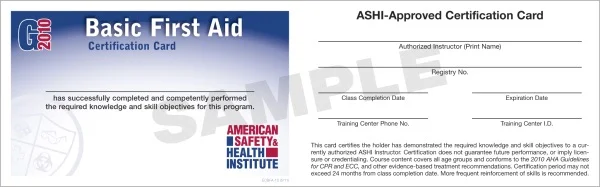
Tonight, I'm going to attend a class on CPR/First Aid with AED, to renew my certification.  The immediate goal here is that I need that certification to participate in training for Search and Rescue, but I thought I'd blog about it, because CPR/First Aid is a relatively simple thing that anyone can do to make the world a better place.  Of course, EMTs and professionals are the best at what they do, but you have an enormous advantage - you're on the scene.  And as you may know, with incidents involving breathing and blood flow, seconds count.  If everybody had this kind of training, the world would be like a giant hospital everywhere.  

And the training is relatively simple.  There are online-only variants, but I can't recommend them.  Many organization - such as my Search and Rescue organization - don't allow online-only training.  Having been to class, I can say that at least 50% of the value is the hands-on experience with the equipment.  You just can't learn how to operate an AED or do chest compressions from a video; you have to get your hands on a dummy and a test AED device.  (An AED is a portable defibrillator that can be used to restart a heart).

Generally, classes are about 4 hours and cost somewhere between $50 and $100.  I've seen REI teach free or reduced-cost variations, and sometimes organizations such as school districts offer them.  There are two big umbrella organizations that offer training - one is the American Heart Association, the other, which I use, is AHSI, the American Health & Safety Institute, which has a class finder web page at http://www.hsi.com/findaclass.

So if you're looking for something concrete you can do, give CPR/First Aid training a shot!

image.jpg

Comment

Comment

Day 26 - Portland, OR - Seasonal Affective Disorder

OK, folks!  Welcome to another grey and rainy down in Portland, Oregon.  Now, very few of us really like wet, grey weather.  It's not much fun to bike around in, and it kind of makes it hard to get out of bed in the morning.  But for some of us, this kind of weather is actually more of a clinical condition, sometimes called (pretty hilariously) SAD, or Seasonal Affective Disorder.  SAD represents, to me, the new frontier of medicine: the kind of daily ailment that has real impact on daily life but can be really hard for the medical establishment to wrap their fingers around and deal with.  Which is not to say they don't take it seriously.  The Mayo Clinic estimates 3 million people in the US have some form of diagnosable SAD.  It's a tough thing to diagnose because it just basically presents as depression, but seasonal depression. 

It's always dangerous to self-diagnose, but I'm pretty sure I have it.  Apparently it's less common in men, but men have more severe symptoms.  Yesterday, the sun was out and shining bright, and I definitely felt an incredible surge of energy and positivity.  This morning the clouds closed back in, and it was honestly tough to get out of bed.  The key thing to realize about SAD is that it's not just a mental disorder; it has physical causes.  They think that the disruption to the circadian rhythms cause us to decrease our serotonin and maybe increase our melatonin levels.  It makes some evolutionary sense: when it's cold and grey outside, it's probably a good time to hunker down and stay warm and safe.  But that doesn't help it today's modern society, where you still have to go to work and, you know, get things done. 

I've bought one of these portable SAD lamps.  It does seem to help, although at the end of the day, I think the only cure is: find some sunshine! 


image.jpg

Comment

Comment

Day 25 - Portland, OR - Women in Computer Science

A few weeks back, I started teaching a new class at OSU-Cascades in Computer Graphics, a topic I know well, professionally.  There was an interesting thing about this class, which was that out of the 7 students, one of them was a woman.  I noticed this, in passing, and thought it was cool, although I didn't really have time to check in with her personally and find out what her deal was.  I've always bemoaned the fact that there weren't more women in computer science.  It sucks, for multiple reasons: we don't get the benefit of a different point of view, it makes the social environment a good bit more stilted, and it makes it harder to write games for women, not to mention that it just kind of feels wrong.  While my primary goal is to educate everybody, given the chance, I'd love to have a positive effect on that gender imbalance. 

This week, that woman dropped my class.  I haven't had a chance to talk to her about why.  I don't know what her situation was.  In addition to just being really busy teaching the class, I was dealing with an issue involving one of the other students who has a learning disability and I guess I just wasn't focused on what was happening with her.  Looking back on the first couple of weeks, I can tell that there was a tendency for her to kind of "fade into the background".  I definitely don't feel that I did anything wrong, certainly, as an educator - but I'm also left with the lingering sense that I could have done better.  To be fair, every student comes to the class with unique challenges, and there's only so much I can do.  It's always been the case that students who are proactive about their own education get better service from professors, and she wasn't proactive.  At the same time, I think that I could have done better.  There were a few classroom discussions where I suddenly noticed that she wasn't really participating.  Maybe she felt uncomfortable.  Or maybe the class was just really hard (it is).  The point is I have no idea, and that makes me feel like there was a lost opportunity here.  I can't see it as a coincidence that, of the 7 students, the only one to drop (so far anyway) was the only woman.

I'll be reaching out to my boss at OSU-Cascades, and other people I know and trust, but if any of you have any ideas/thoughts/suggestions - especially from any women computer scientists in the audience - I'm all ears. 


image.jpg

Comment

Comment

Day 24 - Government Camp, OR - Cross Country Skiing

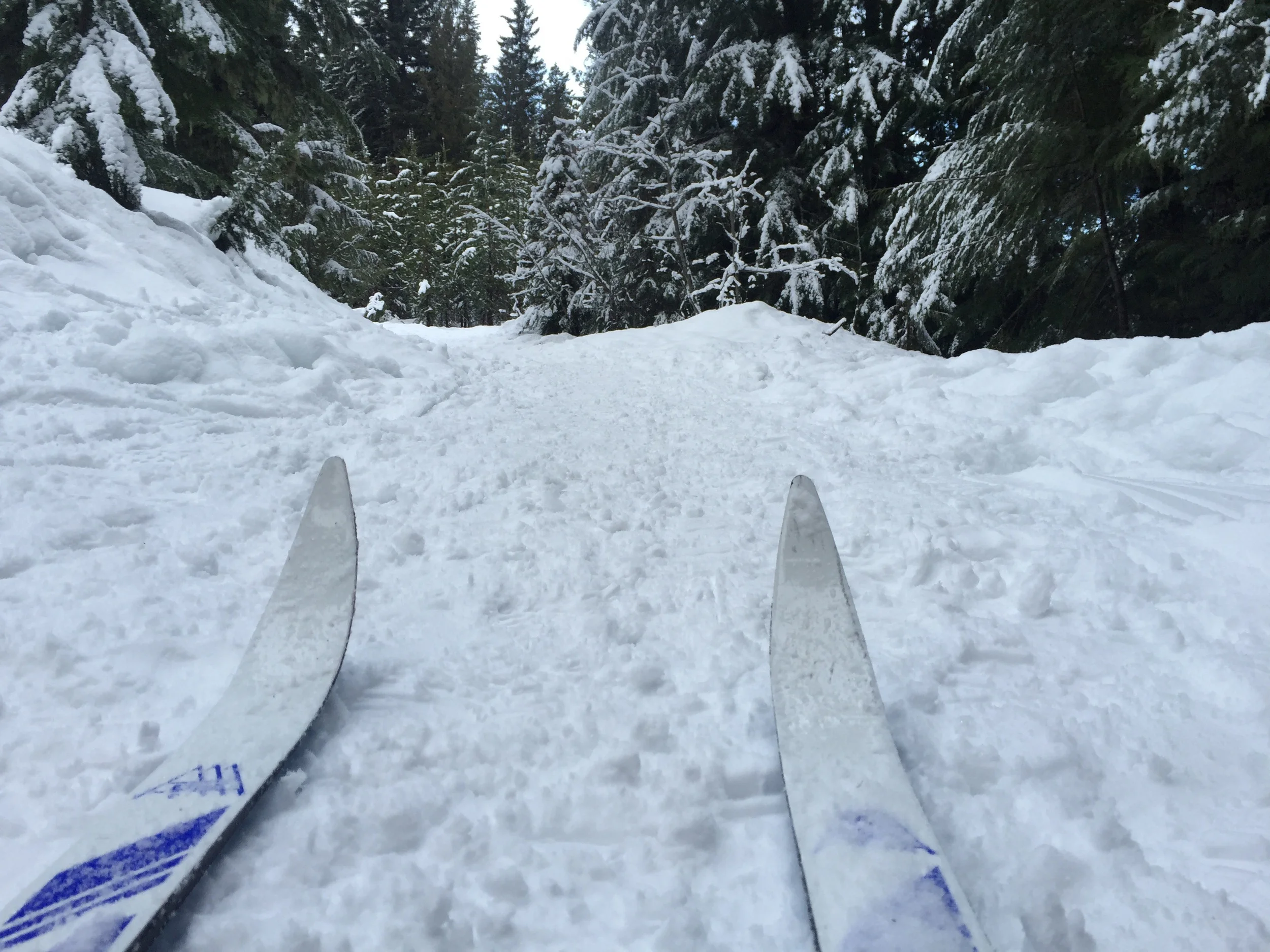
Today, I went cross country skiing.  Well, let me take that back a bit - today, I went cross country skiing the way Chris Farley might have gone cross country skiing in a comedy starring him and David Spade.  I spent a lot of time in snowbanks, and I had a few choice words for my skis.  I'm not, though, going to talk so much about the skiing itself as much as what it reminded me of, which is my fascination with being a beginner at something.  Over time, I've become really interested in beginners.  How to teach beginners, how to be a beginner, the "beginner mind".  As a yoga teacher, a college professor, and just as somebody who enjoys new things, being a beginner is something I enjoy doing and think everybody should experience regularly.  Yes, it's fun to do things that you're already good at, but it's also really mind expanding to try something new.  One facet of being a beginner is being surrounded by experts.  Today I had the luxury of being all on my lonesome, but often, as an expert at something, we interact with beginners.  So, today, my

Ten Tips for Dealing With Beginners When You Are An Expert

1.  They're "Just Doing It".  Remember that it's always better to try something than not try.  Even if you watch somebody suck hard at something, remind yourself that they got off the couch to do this thing you already know and love, and that's a total victory in and of itself.

2.  They're Much Better Than You At Something Else.  Everybody's good at something, and they probably look really awesome and graceful when doing the thing they're good at.  So maybe just mentally imagine them doing that.

3.  Some (Most) Things Have To Be Learned The Hard Way.  It just takes time to learn a skill.  Yes, maybe they are unaware of the proper technique.  But maybe they know perfectly well what they're supposed to be doing and it's just going to take a lot of practice before they get there.

4.  Know Thyself, and Whether Thou Art A Good Teacher.  Some people are good teachers, and some just aren't.  It's important to know which you are.  If you're genuinely a good and patient teacher, by all means, help.  But if you know that you're really just not the kind of person that likes to teach, then just smile and do your own thing.  There's no shame in that.

5.  Remember the Things That Helped You.  Yes, everyone can learn in a different way.  But generally speaking, if something helped you, it probably will help someone new.  We all have a few "aha" moments when learning something.  I find it incredibly useful, when I'm learning a new skill, to write down the things that really make a difference, so that later, when I'm not a beginner, I can revisit that and remember what it was like.

6.  There's No Shame In Not Wanting To Be Around Beginners.  Some people like it.  Others really don't.  And it may change from day to day and from sport to sport.  If you don't feel like being around the bunny slope, that's fine!  Nobody is obligated to help, even with close friends.  If your girlfriend wants to learn to snowshoe and you're just not feeling it, buy her a lesson!  Better that, than to get all grumpy and impatient.

7.  No BS.  Beginners know they suck.  Encouragement is welcome.  But keep it reasonable.  I'm always reminded of the people that used to sit at mile 22 of a marathon and jump up and down and yell about how I was "almost there".  I'm not almost there.  It's 4.2 miles away.  I know just how far it is, believe me.  

8.  Being a Beginner Is Fun.  If I could just swallow and pill and be good at cross country skiing, I wouldn't.  You'll only be a beginner once.  Beginners get extra attention, no pressure, and they get to look silly.  Sometimes I wish I was a beginner at skiing; now that I'm good, my ski lifts are a lot higher and a lot colder!

9.  Find Something Else To Be A Beginner At.  I think it's really important for mental health to keep choosing things to be a beginner at.  And there are plenty of things.  My yoga instructor used to say, "two-thirds of the time do what you know.  One-third of the time, push your envelope."

10.  Beginners Are People Too.  Perhaps this doesn't need to be said, but of course, the key to being around beginners is the same as the key to being around anyone: be nice, be polite, and be compassionate.  


image.jpg

Comment

Comment

Day 22 - Bend, OR - Pilot Butte

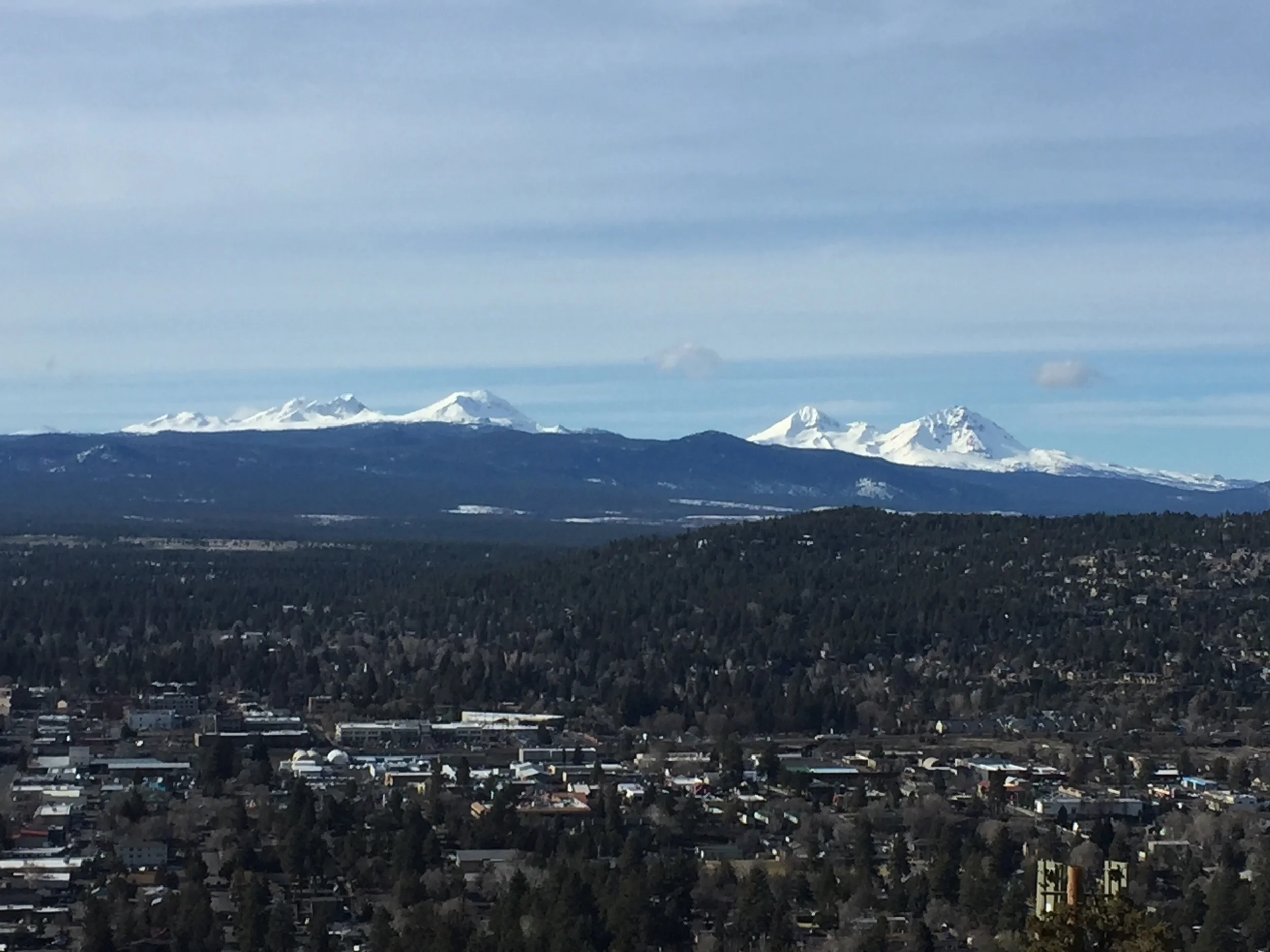
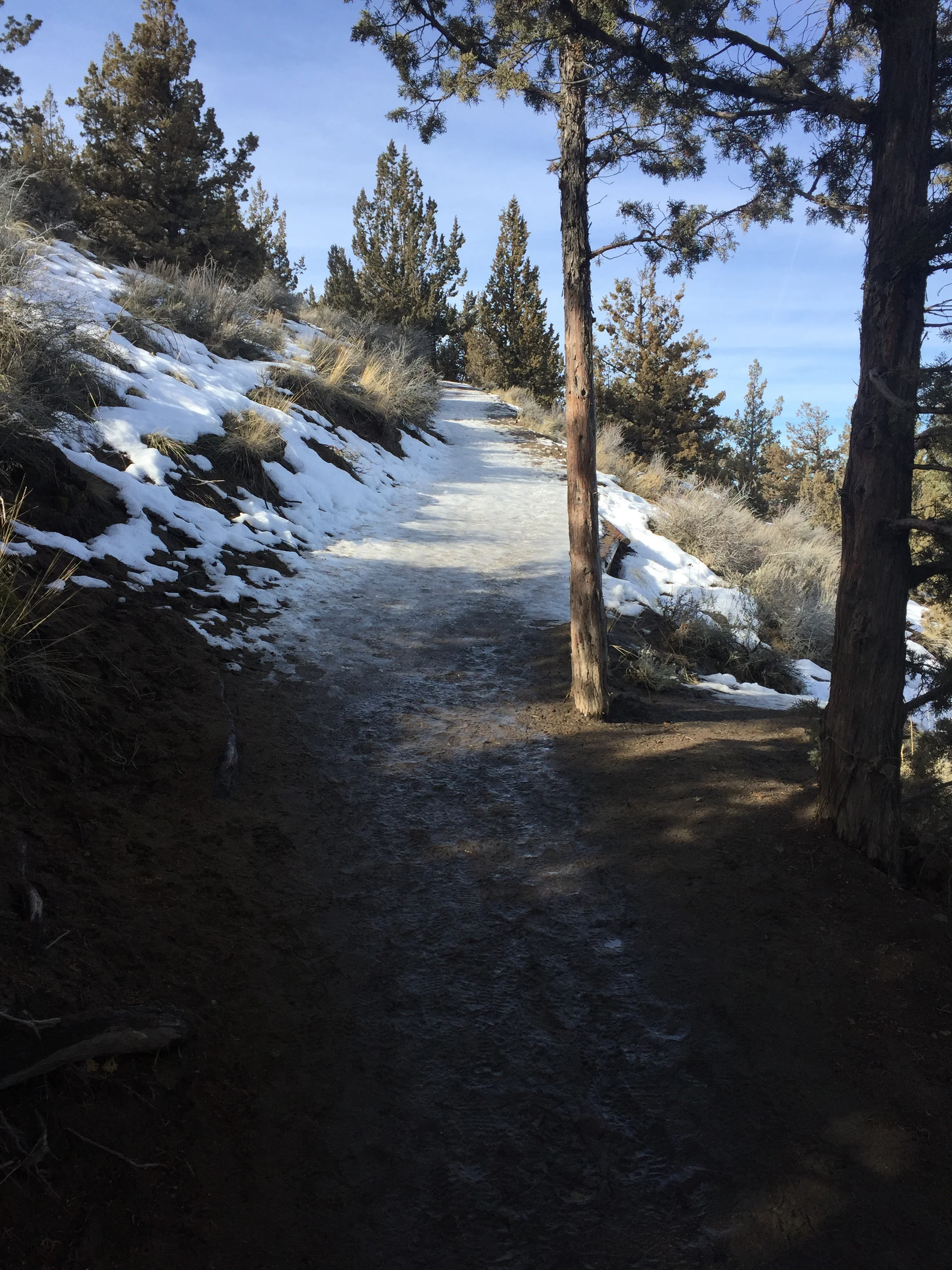
Today I wanted to get out and find some sun.  Things have been a bit dark and rainy in Portland, and since I woke up in Bend, I decided to take advantage of it by going out and doing a hike I had never done before, despite living here for 3 months last year; I headed up to Pilot Butte.  Pilot Butte is a great little park in the Northeast part of Bend.  A Butte is, roughly, somewhere between a hill and a mountain.  This one has great views of all the surrounding mountains and a great trail that you can hike or run or bike up.  There was a pretty good crowd despite the fact that portions of the trail were still iced over and pretty darn slippery.  I got some good pictures on the way up and at the top.  I could see myself coming here and doing hill repeats - in fact, I may do that next week!


image.jpg
image.jpg
image.jpg

Comment

Comment

Day 21 - Bend, OR - Lead Climbing

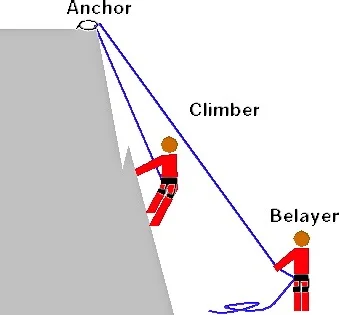
On Tuesday, I went to my first class to learn how to lead climb.  As some of you know, I've gotten pretty into indoor rock climbing lately.  I happened to have moved next to one of the best rock gyms in the entire country, so I'm taking advantage of it, and climbing as often as I can (and I'm always up for new climbing partners, by the way!) .  Most of what I've been doing so far is called "top roping".  This is what you do when you're new to a rock gym.  It's a ton of fun and probably the safest and easiest option, next to bouldering maybe.  In top roping, the rope is permanently attached to the wall and you just help your partner get up and doing by managing the rope (which is called "belaying").  You can learn how to do it in an hour or so tops and be proficient at the basics in just a couple of days.

Lead climbing is kind of the "next step up".  It's a bit more realistic interpretation of what it would be like to actually climb outside.  The biggest difference is that, when you get to the wall, there is no rope.  All that is on the wall are the holds (of course) and these drilled-in carabiners called "quick draws" that can hold a rope.  As you climb the wall, you bring a rope with you and clip that rope in to each of these draws until you get to the top, where you climb into a final set of 2 draws that form an anchor.  Then the partner, or belayer, lowers you down using your own rope.  In an outdoor setting, this is called "lead climbing" because the idea is that this first person - the lead climber - is the one that gets the rope on to the wall, and everyone else behind them can do the relatively simpler climb of top roping.  In the gym, you typically just take the rope down after putting it up; it's just a fun exercise and challenge. 

Lead climbing is harder for a few reasons; first, there's more to keep track of; more equipment and rules.  Second, it's physically more challenging because you have to be able to clip in, which means that at certain points during your climb you must be able to pause and detach one arm from the wall and hold a stance long enough to manipulate the rope into the draw.  Third, if you do fall, you have potentially further to go.  In top roping, you are always being held fairly tightly, and falls rarely exceed a couple of feet unless someone isn't doing their job.  But in lead climbing, there is no way to completely prevent falls from going 8-10 feet or so.  This has to do with the fact that, until you get to a quick draw, you're exposed the distance back down to the next draw times two, plus a bit extra for rope stretch.  So it's a bit scarier.  It would be very hard to actually die while lead climbing, but it really wouldn't be hard at all to take a nasty knock on a knee or elbow or get a bad cut.  And falls from as much as 8-10 feet to the ground (or "deck") are not unheard of. 

For all that, though, to me it's a manageable increase in risk; just enough to keep things interesting, fresh and fun without making me genuinely worried.  I climb a lot at the gym and watch people lead climb and it doesn't honestly seem that bad.  And of course the easy way to avoid injury is just don't fall! 


image.jpg

Comment

Comment

Day 20 - Portland, OR - Star Wars Galaxies

Passion is an interesting thing. 

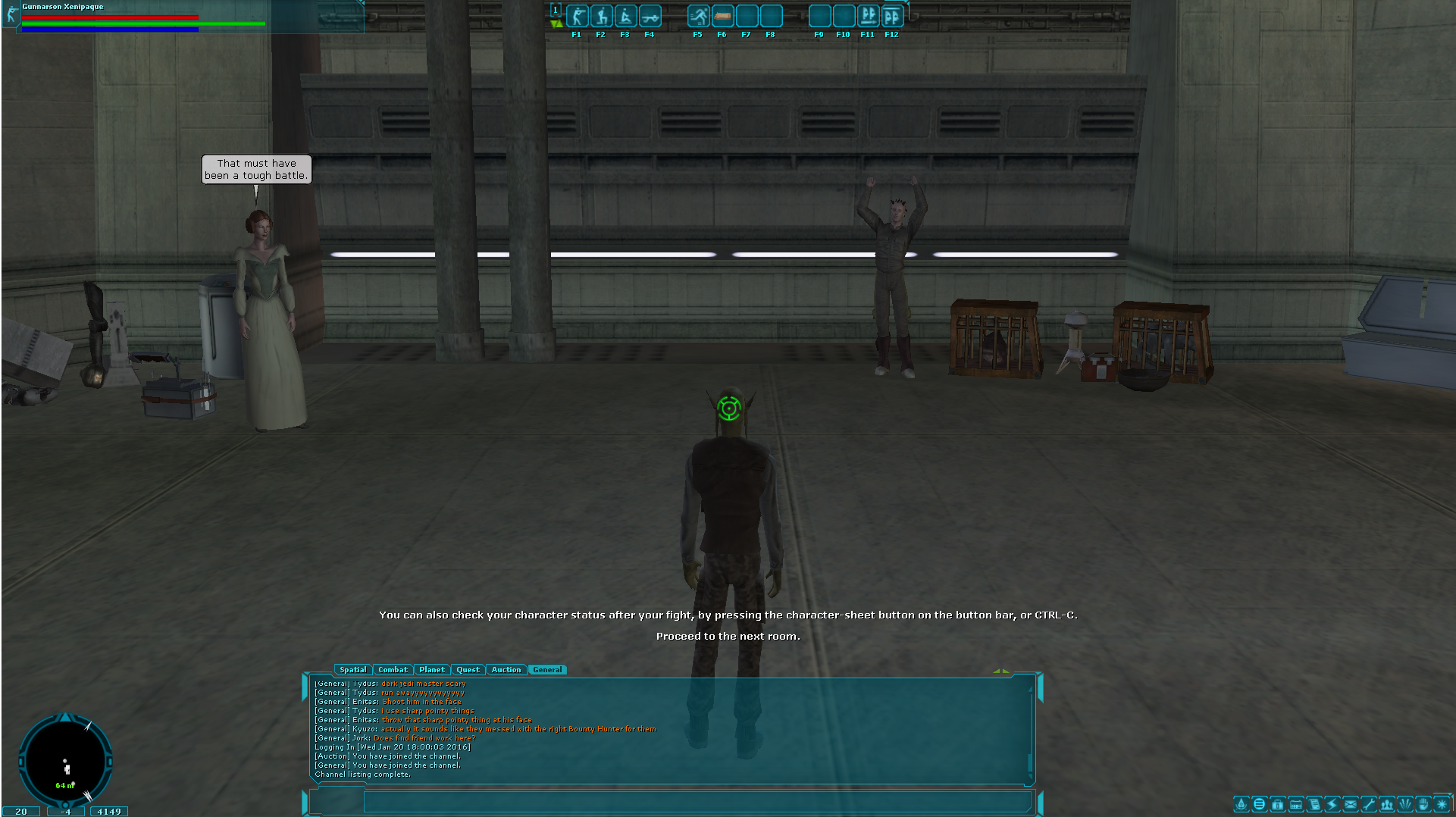
As some of you who have known me for a while know, about 10 years ago I worked on a game called Star Wars Galaxies.  There were a few things interesting about this game; it was an MMO, which basically means that it had a huge player community that played it online.  Nowadays that's pretty common, but back then it was a pretty big deal still, and kind of a niche world.  It was also a Star Wars game, so that was cool.  But what was really interesting to me was how passionate everybody was about it.  I don't just mean the players either; they definitely were passionate, but so were the people that worked on it, including me.

Back when I worked in games, sometimes people would ask me what games I had worked on, and usually they would try to infer from that what I was into, either as a gamer or as a person.  But life of course doesn't really work that way; we don't get to pick what we work on generally.  If somebody works at Walmart that doesn't mean they are passionate about Walmart.  Hell they might not even like it.  So I always hesitated answering.  But Star Wars Galaxies, or SWG, was one of the exceptions; I liked working there.  Well, that's not entirely accurate - I had a love/hate relationship with working there.  But it was always passionate.

About 5 years ago or so, the game was finally shut down by the owners, Lucasarts.  Population had dwindled and there were newer, shinier games to play.  But an interesting thing happened after that.  Despite the herculean nature of the task, a group of people got together and singlehandedly pieced the game back together.  You see, with some games, when you buy them, you own them, and you can play them forever even if the company goes out of business.  But with a game like this one, the company owns the server and all the code up there, so when they say "no", that basically means no.  The only way around that is to painstakingly rewrite the entire server - from scratch, and without the ability to modify the client.  For those who don't know much about coding, suffice it to say that would be like trying to rebuild the World Trade Center to the exact specifications of the original, without owning any of the blueprints, just some photographs.  Essentially impossible.  And, yet, it happened.  Today I had the (admittedly slightly creepy) experience of logging in to SWG and playing, courtesy of www.swgawakening.com (clever name).  And, yes, it was cool, and weird.

But this is what I find interesting - I've worked on a lot of games, many of which did better than SWG.  And there are a lot of MMOs that went under, some with far more of a user base than SWG.  But none of them inspired the kind of passion in people that would cause them to go out and rewrite - for free, in their spare time - thousands of lines of code just so they could play again. 

Passion is an interesting and fickle thing.  And you never know when it will come, and you have to cherish it while it lasts.  I consider my time spent on SWG the finest of my professional life because of the passion of my coworkers, the players, and my friends.  And I am delighted to see it live again.


Comment

Comment

Day 19 - Portland, OR - 5K times

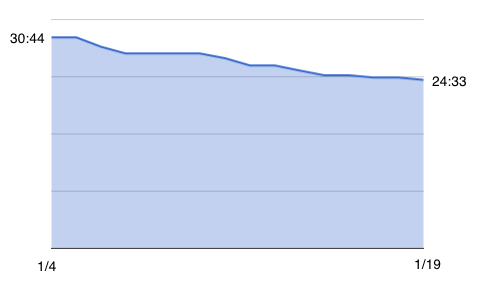
As one of my New Year's Resolutions, I decided to start running a 5K (almost) every day, and see how low I could get my 5K time.  I don't have a specific end goal per se, although if I get down low enough, I may try to run a competitive 5K at some point.  I'm not doing this only to #humblebrag, but also in the hopes that it might inspire other people to follow through on their resolutions.  So far, I've gone down from 30:44 to 24:33 in about 2 and a half weeks.  I won't be able to keep up that pace of course; it's already getting way harder to shave off time.  I started at about a 10 minute mile and I'm down to slightly under an 8 minute mile.  I think it's realistic to get down under 7 minute miles at some point, and I have hopes of making it under 6 minutes some day.  That might be as good as I can do though; I don't quite have the build for a speed runner!  But for the moment, it's a good daily challenge.

Screen Shot 2016-01-19 at 1.57.05 PM.png


Comment

Comment

Day 18 - Portland, OR - 2014 Bike Trip, one minute at a time

Back in 2014, I rode my bike 2600 miles.  Along the way, I took a GoPro along with a special piece of equipment that made it wake up and take a picture once every minute.  Then I stuck it on my bike, mostly forgot about it, and 51 days later, I came back with 23 minutes of footage; and here it is.  I personally find it oddly fascinating; the highspeed chronology of a trip by bicycle across the heartland of the west coast.  Watch for the change in terrain and the little vignettes of rural American life when I forgot to turn the camera off.

I highly recommend watching the video in 2x speed; just click the little gear icon and select speed and then 2x.  I think it's better that way.


Comment

4 Comments

Day 17 - Portland, OR - Mac Book Air

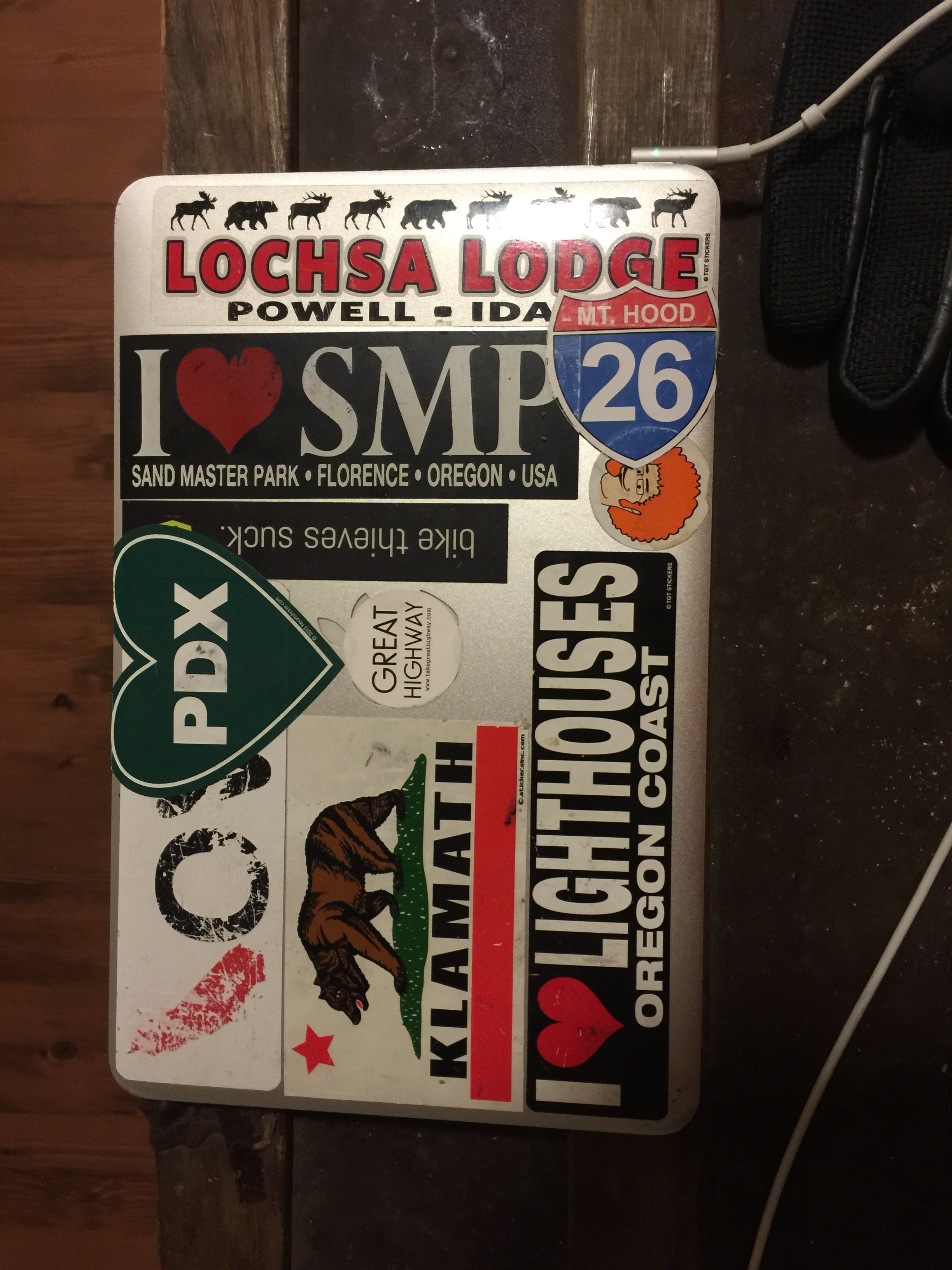
Today's post might seem a bit silly or frivolous to some, but I would like to wax poetic for a bit about my MacBook Air.  He doesn't have a name, sadly, or I would call him by it.  I bought him from a chain of used electronic stores in San Francisco a few years back, and he dates back from 2011.  I've owned a lot of computers in my day, but very few of them have come to mean as much as this one has.  I've taken it all over the world, and most notably I carried it with me when I rode my bike across the country two years ago, which is where all the stickers come from.  

Why do I like this thing so much?  Well, first of all on a purely practical level, it's never let me down.  Never, in 4 years, had a single hardware or software issue.  For somebody who used to tinker with his own machines and knows what it's like to install device drivers and mess with COM ports, this is a minor miracle worth celebrating on its own.  I've used this thing in tents in the heat, rain and cold, and not even one bad pixel.  Even the battery still holds a reasonable charge.

But obviously it's more than just that.  I recognize, of course, that at some level the joy I experience in dealing with this thing, this object, actually comes from inside.  All it can do is reflect it back on to me.  But it does so quite well.  For some reason, interacting with this particular computer just makes me feel creative, productive and positive.  The keyboard is solid to type on.  The screen is pleasant; not too bright, not too dull.  And the size is so incredibly appealing.  For some reason, I have always had a fascination for small things.  Not tiny things, but small.  Efficient.  Just small enough, and no smaller.  I'm not sure why that is.  Perhaps, at some level, I've always desired to be smaller myself.  Who knows.  Whatever it is, I like things that fit.  The MacBook Air 11 is uniquely well-suited.  Every other computer I've used is either bigger than I need it to be, or too small to be truly useful.  And, of course, it doesn't hurt that Apple are such experts at hardware design.  Everything about the machine is exactly correct; there is little or no wasted space, and it's weighted well to sit comfortable in your lap.

I am considering getting a new laptop, and I've looked extensively at other options, but I think, at the end of the day, I'm likely just going to buy the most recent revision of what I already have.  And even at that, even when I do, it's likely to still be this one I throw in my pack on my next long ride.


image.jpg

4 Comments

Comment

Day 16 - Sandy, OR - Pacific Northwest Search & Rescue

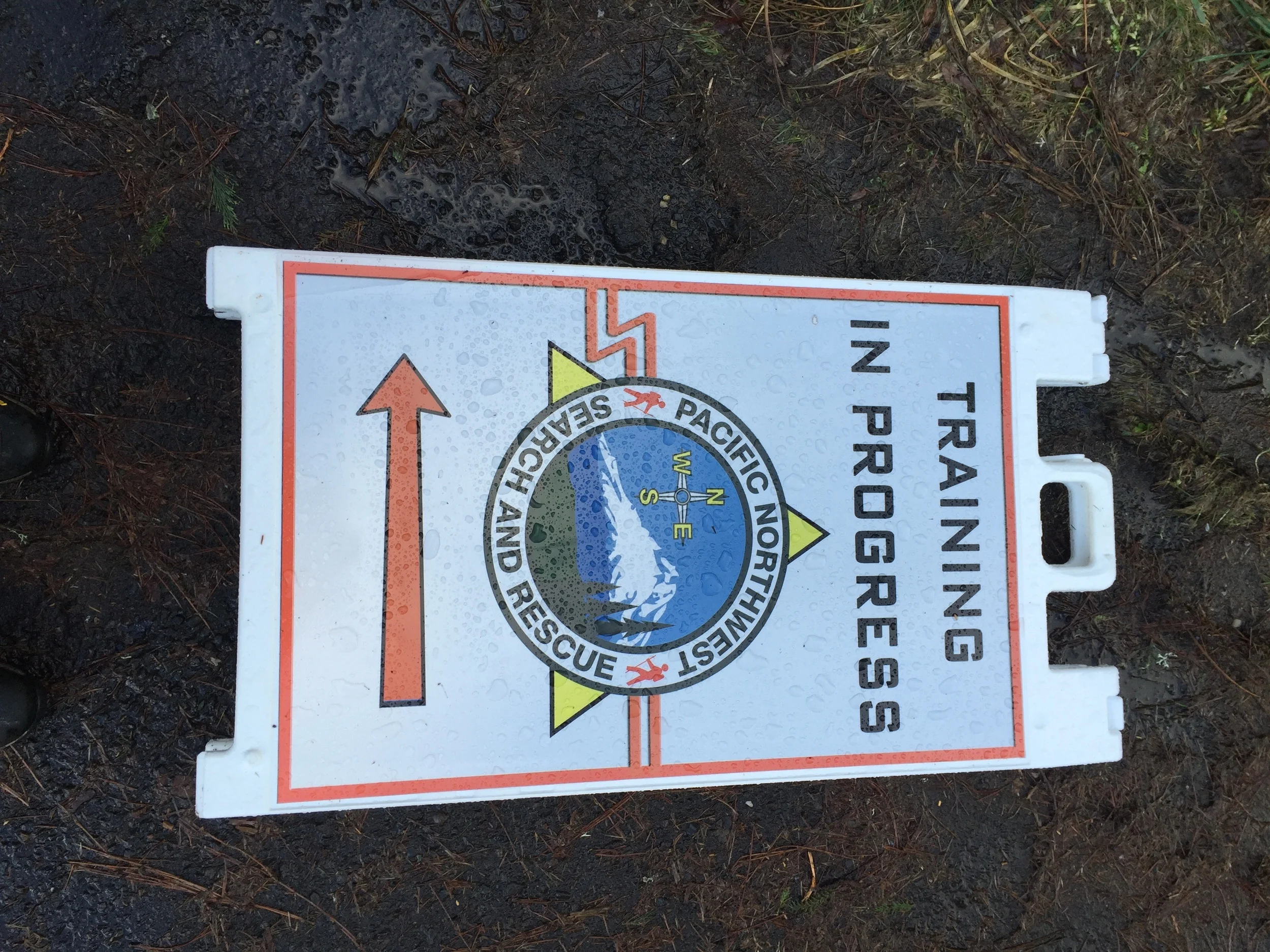
Today, I participated in my first outdoor training day as a prospective trainee for PNWSAR - Pacific Northwest Search and Rescue.  PNWSAR is the main search and rescue group (there are a few others as well) for Clackamas County, the county just to the southeast of Portland and the county that includes most of Mt. Hood.  I found out about search and rescue by talking with my coworker who does SAR for Multnomah County.  A while back there was a woman in her twenties who went missing at Multnomah Falls while trail running; it was a big story and she's still missing but he went looking for her.  A while before that, they went looking for someone and actually found them, and he said it was one of the best feelings he's ever had.

Over the last few years, I've been looking for more meaning in life, and I was hoping that it might come in the form of a silver flash of insight about what I should be doing.  I still hope for that, but in the meantime, I'm finding that building  life full of things that are more rewarding that whatever I was doing before is a huge step forward - and Search and Rescue is one of those things.  It was fun to use some of the Wilderness Advanced First Aid training that I got last year at COCC.  They had told us before today to expect to just stand around and be bored but it was anything but; because I was actually the most trained member of medical staff on my team, I was made lead medical right away and had to take charge of a simulated rescue of someone with a broken tibia and fibula.  And I did a good job, if I do say so myself; and yes, it felt good.


image.jpg

Comment

Comment

Day 15 - Portland, OR - ZZZ Goat Ranch

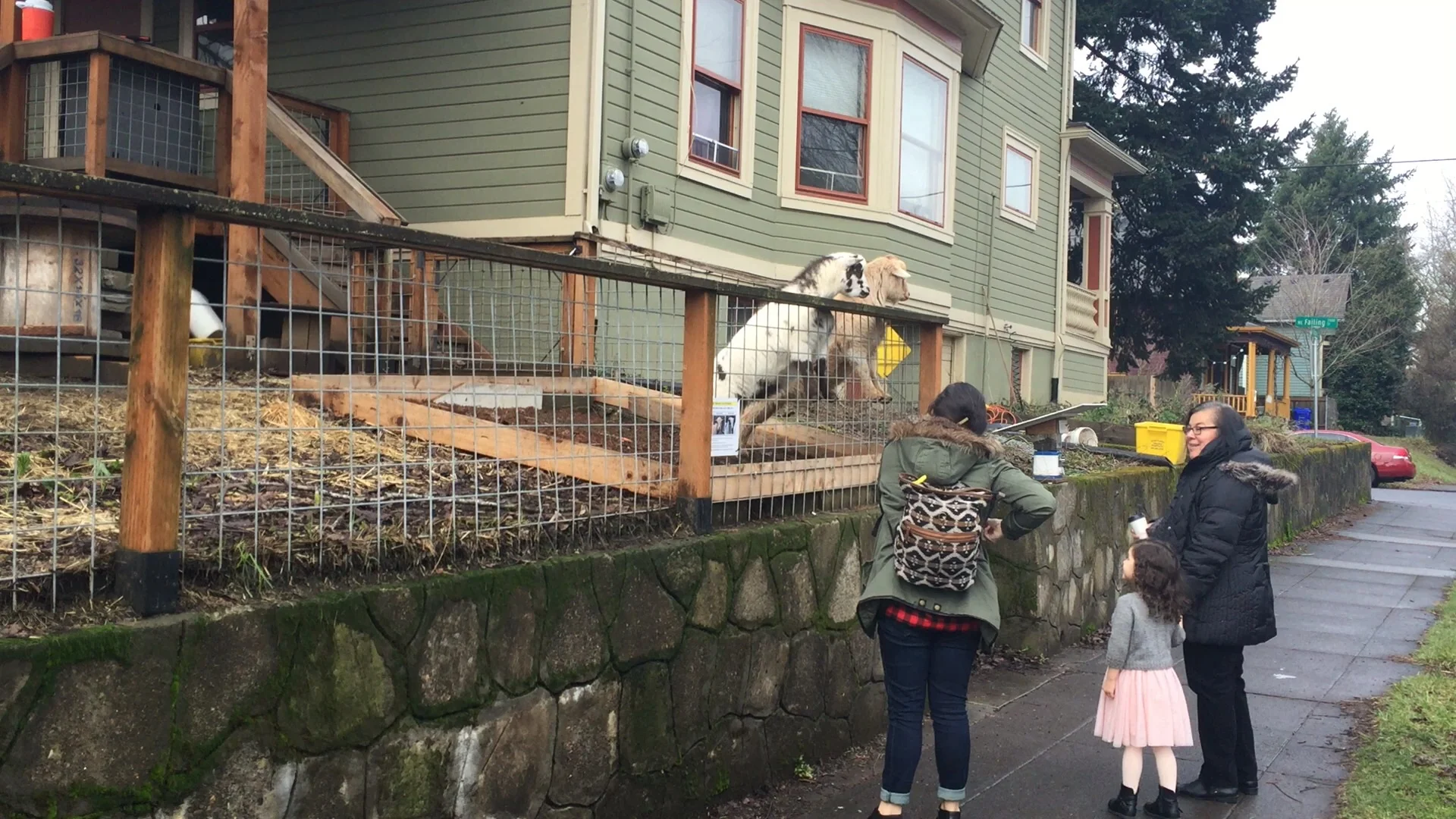
As part of a class I'm taking on Animal Behavior at Mt. Hood Community College, today I had to observe animals and complete an ethogram, basically a summary of their behavior.  I chose this urban goat "ranch" in NE Portland; three goats that live in this backyard.  I thought the ethogram was really interesting, so today's post is just that!

Ethogram for Nigerian Dwarf Goats (Capra aegagrus hircus)

Observed at the “ZZZ Goat Ranch” (a house in NE Portland with a backyard) on 1/15/2016 from approximately 11am to approximately 12:30 am.

There were 3 goats, clearly domesticated, in a house backyard with a clear wire fence.

Type of Behavior: Locomotor Acts

In the hour and a half that I spent observing, the goats spent most of the time not really moving at all.  They would graze in one spot for about 3-5 minutes at least, then move at most 5 feet or so.  At some point, the goats noticed the arrival of a human family and that caused them to move.  They use an unhurried gait which is cross-gaited, that is, they will move the front right, then back left, then front left, then front right.  

They seem to have difficult bending the legs.  At one point I noted a goat attempting to reach something under the deck and he had difficulty getting his body underneath the space.  

They seem at first not very agile, but it is deceiving: I noted them placing both front hooves into a fence to reach up and over the fence.

In general, they won’t reposition their body and legs until it is absolutely necessary, using their very flexible and long necks to reach whatever they wish.

Type of Behavior: Foraging Patterns

I watched the goats eat off of some felled logs.  They use their strong jaws to pull at the strips of bark with tugging motions that involved the whole body.  They then also nibble using the front teeth, which extend, and a long and agile tongue.

The 3 goats stayed very close to each other (within 5 feet) but not touching or eating the same piece of food, and largely ignore each other even when they are very close.  They did not fight or compete for food.

At some point a family approached.  The goats are obviously conditioned to expect food from human observers.  There is a pay-for-food station nearby and the goats were clearly expecting food, which they received.  When eating the small chunks of goat food, they extend the tongue long to slurp up the individual pellets.

As foragers they are definitely grazers; they stay upright and extend the neck down to the ground to eat.  They will eat a good portion, then they will raise the neck, and chew the cud by moving the lower jaw back and forth laterally against the top jaw.  I watched at least one instance of them swallowing and then regurgitating cud as well.

Type of Behavior: Maintenance Activities

Despite it being quite a cold day (40-42 degrees F), the goats made no move to hide, or take shelter, instead standing exposed.  They have a long and thick coat.

They preen occasionally, and use their long necks and long tongues to move the mouth almost to the entire rear of the body, pulling at the fur with the front teeth with the long elastic almost giraffe-like neck.

Ears are kept projected from the body, listening for sounds.  They track movement by moving the entire head, but the impression I received was that they have poor eyesight and seem to be more keen on sound.  The ears move independently from the head and each other and track the sound.

They will occasionally shimmy or shake the entire head and upper torso; it’s not clear why but it resembled, to me, the motion of a dog shaking off water.

Type of Behavior: Specialized Behavior

I did not observe the goats long enough to see anything particular, except for the motion to chew the cud I described earlier, and their specialized interactions with the humans, as domesticated animals.

Questions about Behavior

Obviously, with domesticated animals, I’m always curious as to which behaviors I observed are “native” to the species and which come from domestication.  I noticed two almost entirely separate behavior patterns: before the human family approached, and in interacting with the family.  Was the behavior I noted before the family arrived more indicative of native behavior?

What is their behavior like when resting?  I noticed that they really preferred a standing posture.  Do they sleep standing up?  Do they continue to preen when resting?

What is their eyesight really like?  They gave an impression of poor eyesight: seeming to stare blankly, for example, but tracking the source of sounds.  Is that a mistaken impression?

What would they be like in a larger, or non-enclosed space?  Would they range over a wide area?  Would they separate or stay close together as they did here?


image.jpg

Comment

Comment

Day 14 - Portland, OR - Planet Granite

Rock climbing is awesome.  The first time I got introduced to it, I was asked to teach yoga as a substitute at the Planet Granite in San Francisco.  They told me that since I was teaching, I could take their "belay class" for free.  I had no idea what that was, but I figured, hey, I'm a sucker for anything athletic, and anything free.  It would be awesome if the next part of this story was how I instantly fell in love with it, but that didn't happen.  I sucked at it, and I have a hard time getting motivated for things that I suck at.  So I mostly let it drop; I went back a few times, since I could go for free, but when I stopped teaching there, I stopped going.  It was inconvenient and kind of expensive. 

But when I came up to Portland, I really wanted to get involved in the outdoors scene.  I started mountaineering, and it became clear that a lot of folks who mountaineer also rock climb.  Rock climbing isn't a huge part of mountaineering unless you're doing certain difficult mountains, but it is a useful skill.  So I made a point of joining up.  Now I go at least 2 or 3 times a week.  And I love it. 

I think, for me, it combines a few things I enjoy.  First of all, it's a total body workout, including core, which is difficult for me to motivate myself to do.  I find that it makes me feel better; more confident, more able to "occupy my place", as one of my old yoga instructors would say.  It also is structured well to reward: you attempt a route, you finish it, you feel good.  There are ranks, which is kind of like your "score".  It's a sport where it's easy to know how you're doing; nothing vague about it.  And, maybe one of the best parts is: you have to have a partner.  To top rope, which is a lot of what I do, you need to have a belay partner.  And this is nice, because it makes people form a community.  You physically can't do it without help.

In particular, I really love Planet Granite.  I've tried some of the others here in Portland, and they all are nice, but PG is my favorite.  It's clean, and modern, and smells good (this can be an issue with climbing gyms!).  They have free yoga classes, and the quality of the classes is excellent.  And they offer exercise classes and exercise equipment.  Plus, they're only 5 blocks from where I live right now. 

If you have any interest in feeling better about yourself through athletics, I recommend giving it a shot.  It's a very self-affirming experience, and you'll make some friends. 


image.jpg

Comment

Comment

Day 13 - Portland, OR - Sun Salutations

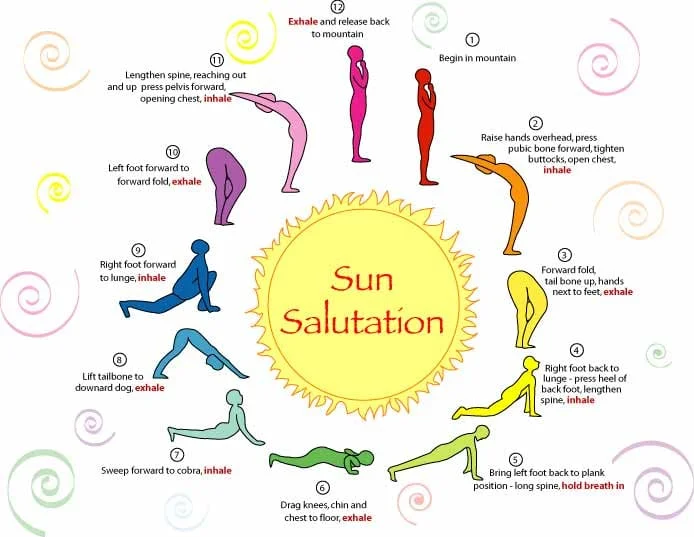
Since the title of this blog is Adam Hunter *Yoga*, I guess it’s time we finally got around to some yoga!  Recently I’ve started a micro-practice of doing 10 sun salutations every day.  What is a micro-practice?  Well, I’ve started doing a number of things to try to improve myself that only take somewhere around 5-10 minutes each day.  I figure, for my personality type, that’s a good match and there’s a chance I’ll actually do it.  It’s all well and good to say you’ll get to a yoga class every day, but that’s a 1 and a half to two hour commitment, and some days it just isn’t going to happen.  But doing 10 sun salutations only takes about 5 minutes, including rolling the mat out and back - once you get in the groove, anyway.

So what is a sun salutation?  Well, other folks have done a better job of describing it than I can whip up in a short time, so I'll just point you to this article: http://wildernessdave.com/yoga-practice-for-hikers-sun-salutation/.  A sun salutation is essentially the basis of modern vinyasa.  It's not really an ancient practice; it combines elements of ancient practice with some modern understanding of alignment.  It's a good way of stretching out the spine but it also is a bit of a meditative flow.  Those of you with bad backs will want to be careful; there's a few modifications I suggest.  First of all, don't "jump" back into the chaturanga.  Just step back.  Second, don't go into a full upward dog unless you are very confident in your alignment.  Just do a low cobra.  Basically, if it hurts, twinges, or feels funny, leave it out until you can meet with a yoga teacher and go over it in person.  But done properly, a sun salutation can be an amazing tool for slowing the heart rate down, getting the blood moving a little bit, and setting the body up right.


Comment

Comment

Day 12 - Portland, OR - Quentin Tarantino

What could Quentin Tarantino and David Bowie have in common?  Fresh off of yesterday's blog post and news about Bowie's passing, I went with my friend Lauren and a friend of hers to see Quentin Tarantino's new epic The Hateful Eight.  We got to see it in this special way; a 70mm ultra panavision print that has various aspects of awesomeness that would only mean something to serious film buffs.  My spoiler-free review of the movie was that it was highly entertaining. 

But what struck me; juxtaposed with what I posted about yesterday, was this: The Hateful Eight is, without a doubt, the best possible version of The Hateful Eight there could possibly be.  What I mean is this: if you didn't like that movie, the way he made it, then you just basically don't like Quentin Tarantino movies.  This is not to suggest that everyone will like it; in fact, far from it.  Many people will not.  Maybe even most.  But if what you are looking for is an experience like that one, then it is the best one I've ever seen. 

And that brings me back to David Bowie.  Many people will like Bowie and not like Tarantino at all, and vice versa.  Some will like both, some will like neither.  But what the two of them share, in my opinion, is this: they know who they are, they have the guts to stay true to that, and they have the talent to do the best possible job of doing what it is they do.  I met Quentin Tarantino once, years ago, in a bathroom in Austin, TX, and I can say this: the man is excited about filmmaking.  He loves it.  And, just like Bowie, I wouldn't be at all surprised if he puts out a movie the week before he dies.

I think this is something that all artists/actors/heroes I admire have in common; I could not tell them how to do a better job of being themselves.  They nailed it.  Even if I could magically change something about their art, all I could do would be to make them a different artist.  Not better. 

Comment

Comment

Day 11 - Portland, OR - David Bowie

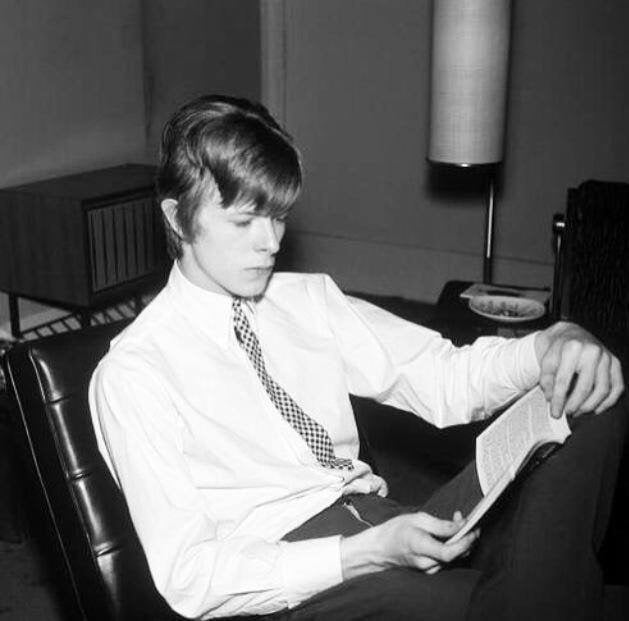
There are many things one could write about a life as awesome as David Bowie's.  For many, of course, it will be about the music, and its effect on their lives.  I, personally, have always enjoyed Bowie's music, but I've never been a "fan".  I mean, I sing along when "Major Tom" comes on the radio.  I always loved Ziggy Stardust, and the stories he was able to tell.  So, yes, I liked his music.  A lot. 

But what really resonates with me, as I think about his death, is this: as the man was dying of cancer, he put out an album.  He recorded and released a music video the week before his death.  Yes, that's right, that means that, knowing he was going to pass soon, and having literally only days to live, he went to work

How many of us could say that's what we would do with our last few days on this earth?  Would you go to work if you were going to die of cancer next week?  Do you love what you do enough that's what you want to spend your time doing, even if it is quite literally your last day? 

I just think that's really inspirational.  I will admit to not being there in life.  But that's where I want to go. 

Thanks for going to work, David.  You did a great job. 

image.jpg

Comment